How to Poach an Egg: A Simple Guide
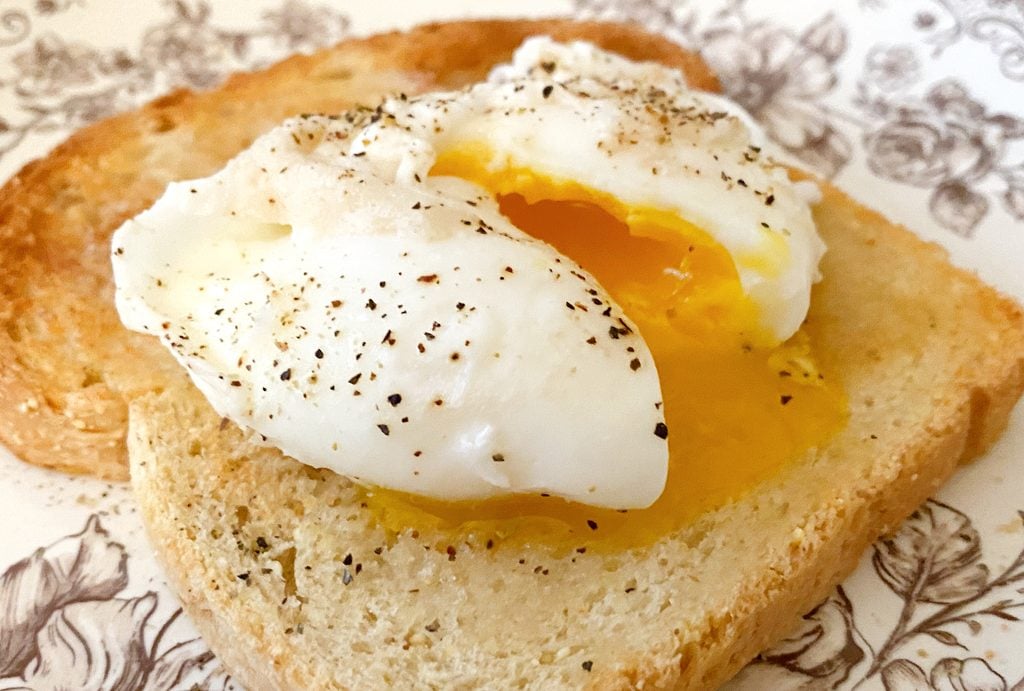
Breakfast is Served!
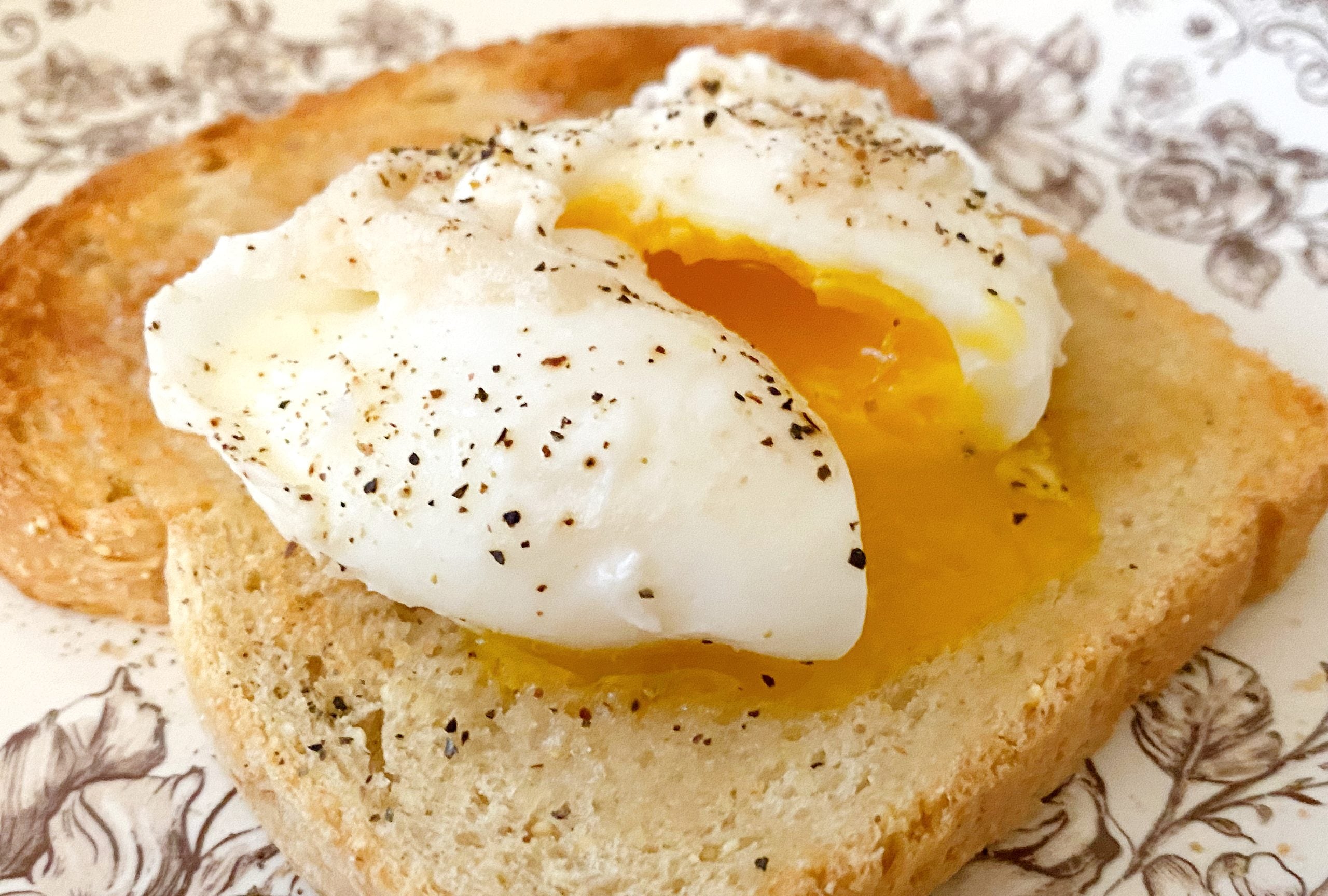
There’s no doubt about it. Eggs are delicious and deserve an occasional spotlight for breakfast. To prepare a perfect poached egg, there is really no need for fancy (expensive) equipment. All you need is a saucepan, Apple Cider Vinegar (a pantry staple), and an egg.
Why am I adding Apple Cider Vinegar (ACV) to the water?
The bottom line is, it helps to prevent spreading. The acidic vinegar acts as an invisible net, stopping the loose whites from feathering or floating away into stringy wisps, keeping the egg neat and compact. The key is to use only a very small amount of ACV. In this recipe we use only 1 tsp. added to the water bath. Therefore, any overly pungent vinegar taste is eliminated, yet keeping the egg intact is still accomplished.
But are eggs good for us?
For many years I struggled with this topic. Afterall, we’ve heard many health enthusiasts claim that eggs raise (bad) cholesterol and are even responsible for feeding viruses, such as Epstein-Barr. But the real truth is, according to latest science and research, eggs are responsible for neither.
New science and research on eggs and their affects on the body tell a very different story. New studies and evidence shows that eggs are actually a beneficial protein source, along with providing loads of nutrition. Such as Vitamin B12, D, A, and riboflavin. Not only that, eggs contain all nine essential amino acids, which helps to maintain muscle strength and tissue repair. Egg yolks contain lutein and zeaxanthin; antioxidants that shield your retinas from blue light and lower the risk of age-related macular degeneration. Yokes also contain choline, an essential nutrient that improves focus, memory, and cognitive health. Eggs contain virtually no carbohydrates, meaning they prevent the sharp glucose spikes thus helps to regulate blood sugar levels. And finally, eggs are a complete protein source. This helps to sustain fullness throughout the day because it triggers satiety signals which can reduce total calorie intake.
All of this valuable information is good enough for me….. so together, let’s prepare a perfect poached egg.
Ingredients:
- One Large Egg
- 1 tsp Apple Cider Vinegar
- 3 cup water
- Salt & Pepper to taste
- Slice of bread of choice. I use Deland Millet bread or Sami’s Bakery Millet & Flax bread (or use your favorite gluten free bread).
- Butter (or dairy free butter such as Miyoko’s).
Instructions:
- Pour water into a saucepan and bring to a very soft boil (not rolling boil). Adjust the temp to keep the water at the soft boil (simmer).
- Add in the vinegar.
- Crack an egg into an egg cup or small bowl (do not break the yolk).
- Carefully slide the egg into the hot water.
- Let the egg simmer in the water for approximately 3 1/2 minutes. Do not stir or disturb the egg while cooking.
- While the egg is cooking, toast your bread slice. Then top with butter choice.
- After 3 1/2 minutes gently scoop the egg out of the water, using a slotted spoon.
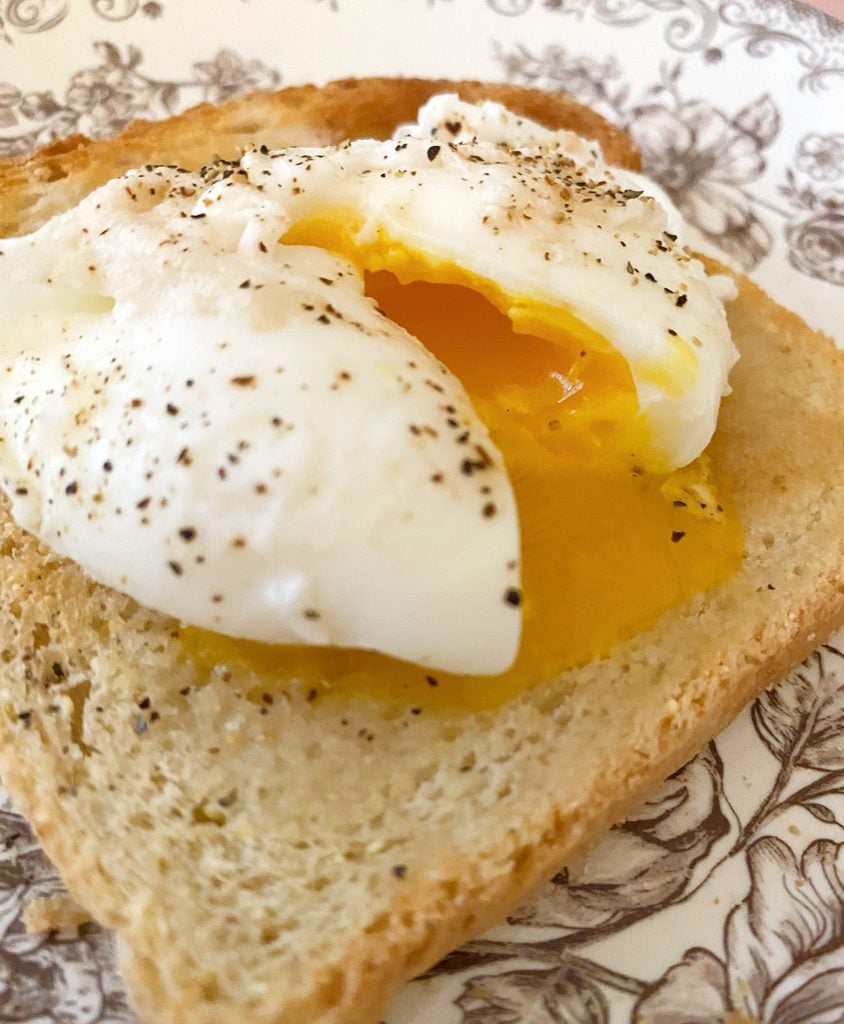
- Let excess water drain away, and place the egg onto your butter toast.
- Sprinkle atop with salt and black pepper as desired.
Looking for more ideas for breakfast? Try my Triple Berry Muffins. This would be a delicious accompaniment to poached eggs in the morning. Enjoy!

Ingredients
Instructions
- Pour water into a saucepan and bring to a very soft boil (not rolling boil). Adjust the temp to keep the water at the soft boil (simmer).
- Add in the vinegar.
- Crack an egg into an egg cup or small bowl (do not break the yolk).
- Carefully slide the egg into the hot water.
- Let the egg simmer in the water for approximately 3 1/2 minutes. Do not stir or disturb the egg while cooking.
- While the egg is cooking, toast your bread slice. Then top with butter choice.
- After 3 1/2 minutes gently scoop the egg out of the water, using a slotted spoon.
- Let excess water drain away, and place the egg onto your butter toast.
- Sprinkle atop with salt and black pepper as desired.